A 36 seats wave swinger ride looks like a compact outdoor purchase until the installation plan reveals its wind exposure, dynamic loads and anchor demands. Buyers need engineering evidence before concrete is poured, not a general assurance that the ride is stable. These 36 seats wave swinger installation checks help investors, park operators and maintenance teams verify the critical interface between ride and site.
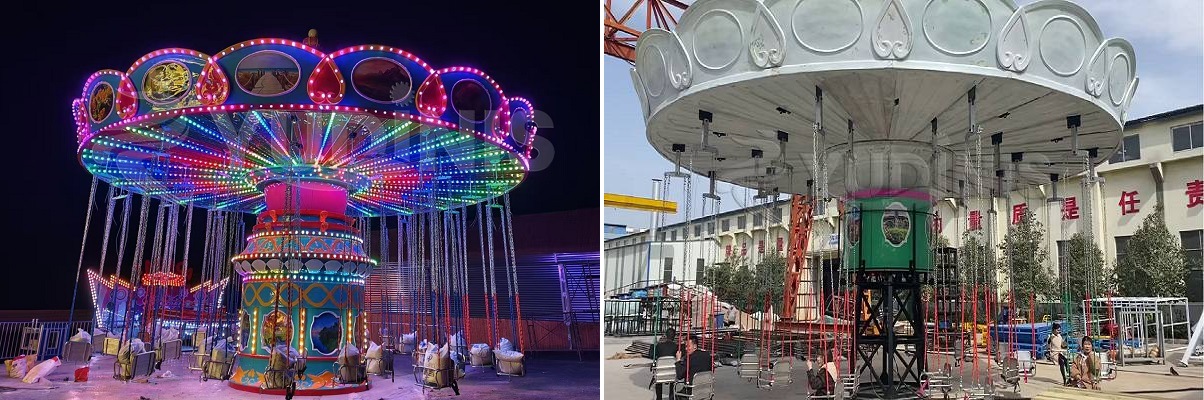
Fix the Design Basis Before Foundation Work
Start with the exact ride configuration, passenger capacity, mast height, rotating assembly and operating envelope. Confirm the design wind speed and exposure category used by the manufacturer and the local structural engineer. The site plan should show nearby buildings, trees, fences and future construction that may alter wind flow. If those inputs remain generic, the foundation drawing is not yet project-specific.
Match Anchors to Site Survey and Soil Data
Anchor locations should come from the supplier’s drawing and be set against the surveyed site grid. Soil conditions, groundwater and the proposed concrete thickness belong in the review. Require a hold point before the pour so the contractor can photograph reinforcement, anchor templates and bedding. A wave swinger wind load and foundation review should identify who approves a deviation and how the corrected position is recorded.
Review Wind Exposure Around Buildings and Trees
Wind behaviour can change when a swing ride is placed close to a large facade or between structures. Ask whether the engineer has considered local turbulence and the surrounding layout. Confirm the operating limit, locked-position requirement and inspection procedure for high-wind events. The outdoor installation should also preserve clear emergency access around the ride. Shelter from trees is not structural protection, and falling branches can create a separate hazard.
Inspect Welds, Fasteners and Corrosion Protection
The foundation is only one part of the load path. Review the mast connections, swing assemblies, chair restraints and anchor bolts as a coordinated system. Specify visible inspection access and touch-up requirements for damaged coating. Ask questions derived from outdoor swing ride installation options, especially for removable covers and seasonal operation. General material on swing ride structural design explains why rotating components and support structures require routine checks.
Coordinate the Concrete Pour With the Supplier
Give the contractor approved drawings, torque values, grout instructions and curing requirements. The ride supplier should confirm when the foundation is ready for erection. Keep a signed record of any field change, including a revised drawing number. Do not let the construction schedule force installation before the concrete reaches the specified strength. A rushed interface creates a hidden risk that will follow the ride through every inspection.
Require Site Verification Before First Dispatch
Before opening, verify anchor torque, structure alignment, restraint condition and operating clearances. Run an empty cycle, then a controlled loaded test according to the approved commissioning plan. Record the results and train the maintenance team on what to inspect after storms or long shutdowns. Final payment should follow the complete evidence package, not the arrival of the equipment alone.
A wave swinger installation is complete only when the site, foundation, structure and operating plan agree. Buyers should compare quotations on engineering scope as well as equipment price. The Top Ride Sale engineering team can support those checks, and the starting product specification is available at https://www.topridesale.com/36-seats-wave-swinger-ride-for-sale/.
Leave a Reply